
By Anthony Lopez Multi-media Reporter
Nearly 8 years ago, millions of people were lucky enough to experience a very special event that will continue to be cherished by many, and to this day, audiences everywhere are still chasing that same theatrical feeling. Avengers: Endgame (2019) was the cumulative payoff for the Marvel Cinematic Universe, and the epic conclusion to a decade-long buildup that first began in 2008, when Robert Downey Jr. was introduced to the world as “Iron Man.” Over the course of 21 films, the translation of on-screen sequential storytelling was finally given a proper Hollywood representation to not only further define the superhero genre within pop culture, but display the broader importance of understanding how fictitious content can appeal to people of all ages.
After a widely successful opening release, Avengers: Endgame grossed approximately $894.67 million domestically, and over 2.9 billion dollars globally, placing the film as the new highest-grossing movie of all time, which had ultimately shown the film industry’s evolution since the mid-late 2000s in favor of more comic-book-heavy narratives. At the time of the film’s release, audiences had an already established relationship not only to the characters within the MCU, but the ideas of potential on-screen adaptations of unexplored source material published decades prior. One of the most irrefutable components of comic books is the complexity in scale, but Marvel Studio’s effective use in staying sourcefully accurate only launched a newly discovered multi-generational interest in superhero adventures that could now be translated through large-production films.
Avengers: Endgame begins immediately where the previous film, Avengers: Infinity War (2018), concluded, and explores the traumatic loss of dozens of heroes that failed to stop Thanos, The Mad Titan, from collecting all six Infinity Stones, which were used to destroy half of all living creatures within the universe. Fortunately, the six main heroes, Iron Man, Captain America, Thor, Bruce Banner (The Hulk), Black Widow, and Hawkeye, unite with various other surviving heroes to discover a solution that can reverse the tragedies of the previous film. As the story progresses, undertones of loss, and failure overshadow the often triumphant protagonists which audiences grew accustomed to. Through a complex adventure regarding several time-traveling sequences, and plenty of context that relies on past movies, the film resolves with the heroes succeeding in their efforts to halt the universal threat that is Thanos, but unfortunately, the bittersweet ending with the loss of two major heroes is what fundamentally keeps the entirety of the film continuously emotional. Overall, the film saw major global success, and has since then continued to expand on the events of all 21 films within the “Infinity Saga,” with fall 2026 seeing a theatrical re-release titled Avengers: Endgame Encore, which includes 3 to 6 minutes of extra footage in preparation for December’s Avengers: Doomsday.
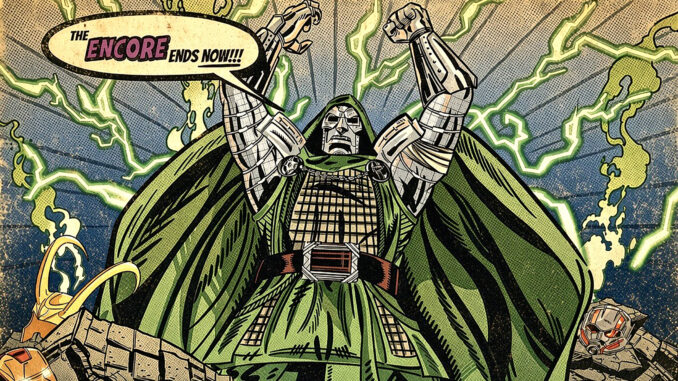
In March of 2019, Disney finalized the acquisition of Twentieth Century Fox, which opened the door for many important characters that had yet to be explored within the Marvel Universe to one day receive live-action representations within the MCU, such as The X-Men, and The Fantastic Four. Now, as Avengers: Endgame Encore allows audiences to relive the magic of the past, the stage has been set with a new threat far greater than any previous Marvel film has ever seen. Not much is currently known about Avengers: Doomsday, but after many, many years, the world will not only be given the opportunity to view a film even more ambitious than Endgame, but finally be introduced to arguably the greatest villain of all time, Doctor Victor Von Doom. What remains so inherently intriguing about the Marvel Cinematic Universe is the question of “what’s next?” The countless stories that have yet to be adapted from page to screen is what undoubtedly keeps viewers intrigued, and the memories of what used to be are never mistaken for what can be. The ubiquitous joy that Marvel has brought for nearly 100 years has only continued to evolve, and while some people argue recency of “super superhero fatigue,” the impact of heroes such as Spiderman, as well as Iron Man, have not only become household names, but synonymous among American culture.
The somber yet hopeful totality of the Marvel Cinematic Universe has not only influenced millions of people all across the world, but united various demographics through the impact of visual storytelling. The foundation of the Marvel brand has always been to encourage creativity, and fundamentally inspire, which remains one of the most compelling aspects in comics even today. Fortunately, these movies over the years have successfully gifted many people with an indescribable gratitude for uniting families, repairing relationships, and teaching those who feel lost how to find refuge in the heroes that positively advocate for what it means to be different, and even though the future of the MCU is sometimes undermined, the importance of these films has continued to not only influence those to find a greater purpose, but to discover the Endgame.
Leave a Reply